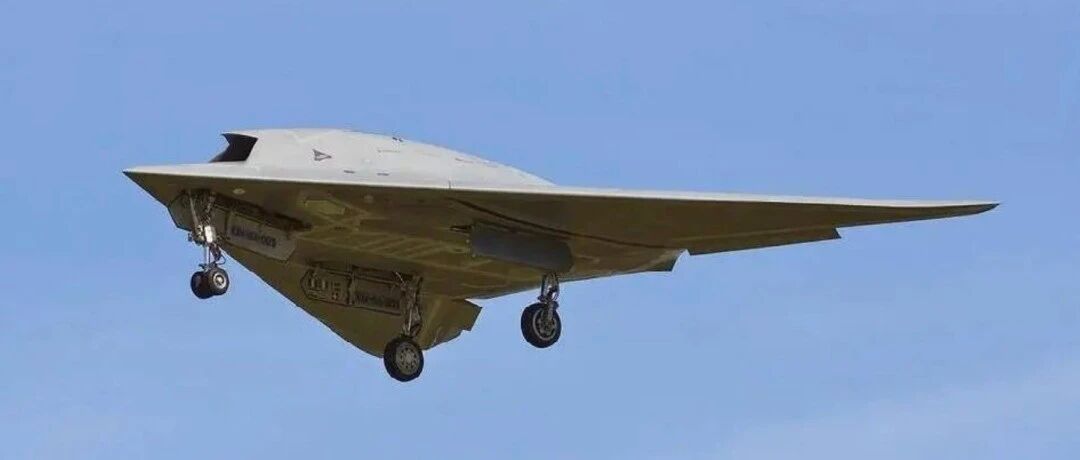
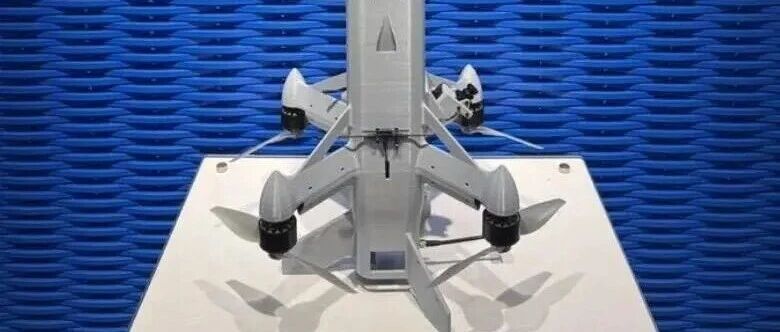
Ridha Aditya Nugraha

Ridha Aditya Nugraha
作者简介
Benjamyn I. Scott:莱顿大学国际航空与航天法研究所
Ridha Aditya Nugraha:Prasetiya Mulya 大学航空与航天法研究,曾作为客座讲师在泰国国立法政大学及荷兰莱顿大学IIASL讲授航空法课程
原文载于 The Jakarta Post(雅加达邮报)OPINION 版 · 2026 年 10 月 29 日(星期四),文中观点仅代表作者本人。
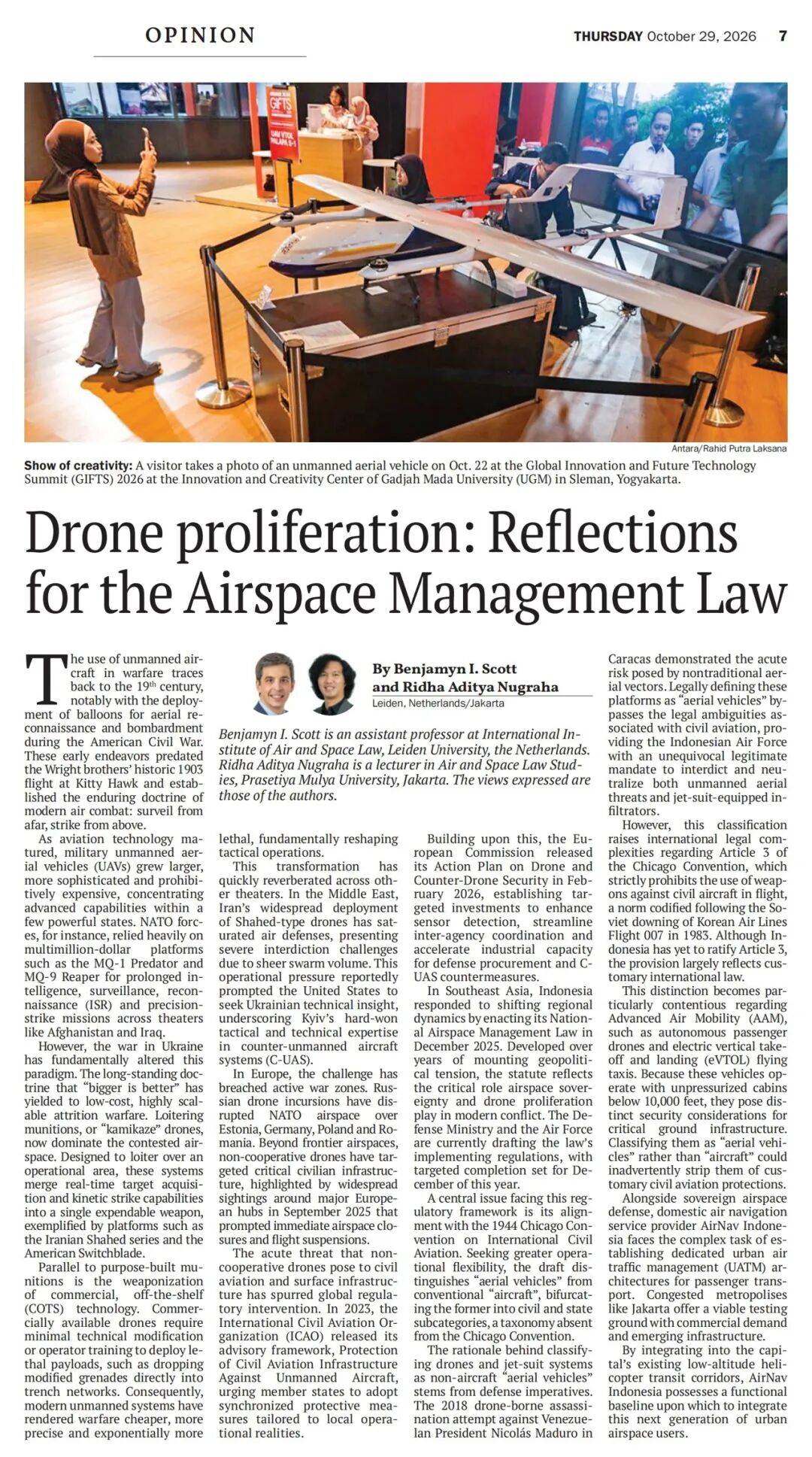
以下中文译文仅供参考,观点以英文原文为准。
The use of unmanned aircraft in warfare traces back to the 19th century, notably with the deployment of balloons for aerial reconnaissance and bombardment during the American Civil War. These early endeavors predated the Wright brothers’ historic 1903 flight at Kitty Hawk and established the enduring doctrine of modern air combat: surveil from afar, strike from above.
As aviation technology matured, military unmanned aerial vehicles (UAVs) grew larger, more sophisticated and prohibitively expensive, concentrating advanced capabilities within a few powerful states. NATO forces, for instance, relied heavily on multimillion-dollar platforms such as the MQ-1 Predator and MQ-9 Reaper for prolonged intelligence, surveillance, reconnaissance (ISR) and precision strike missions across theaters like Afghanistan and Iraq.
无人飞行器在战争中的使用可追溯至 19 世纪,尤以美国内战期间部署气球实施空中侦察与轰炸为代表。这些早期尝试早于莱特兄弟 1903 年在基蒂霍克的历史性飞行,并确立了现代空战经久不衰的教条:远方监视,自上而下打击。
随着航空技术日臻成熟,军用无人机体积越来越大、系统越来越精密、造价也高得令人望而却步,先进能力因此集中于少数强国手中。例如,北约部队在阿富汗、伊拉克等战场执行长期情报、监视与侦察(ISR)及精确打击任务时,就高度依赖 MQ-1“捕食者”(Predator)与 MQ-9“死神”(Reaper)等造价数百万美元的平台。
However, the war in Ukraine has fundamentally altered this paradigm. The long-standing doctrine that “bigger is better” has yielded to low-cost, highly scalable attrition warfare. Loitering munitions, or “kamikaze” drones, now dominate the contested airspace.
Designed to loiter over an operational area, these systems merge real-time target acquisition and kinetic strike capabilities into a single expendable weapon, exemplified by platforms such as the Iranian Shahed series and the American Switchblade.
Parallel to purpose-built munitions is the weaponization of commercial, off-the-shelf (COTS) technology. Commercially available drones require minimal technical modification or operator training to deploy lethal payloads, such as dropping modified grenades directly into trench networks. Consequently, modern unmanned systems have rendered warfare cheaper, more precise and exponentially more lethal, fundamentally reshaping tactical operations.
然而,乌克兰战争从根本上改变了这一范式。“越大越好”这一长期信条已让位于低成本、高度可扩展的消耗战。游荡弹药——即“自杀式”无人机——如今主导着争夺激烈的空域。
此类系统被设计为在作战区域上空游荡待机,将实时目标捕获与动能打击能力合而为一,成为一件一次性使用的武器,伊朗“沙赫德”(Shahed)系列和美国“弹簧刀”(Switchblade)即是典型代表。
与专用弹药并行的是商用现货(COTS)技术的武器化:市售无人机只需极小的技术改装或操作员训练,即可投放致命载荷,例如将改装的手榴弹直接投入堑壕工事网络。由此,现代无人系统使战争变得更廉价、更精确、杀伤力呈指数级提升,从根本上重塑了战术行动。
This transformation has quickly reverberated across other theaters. In the Middle East, Iran’s widespread deployment of Shahed-type drones has saturated air defenses, presenting severe interdiction challenges due to sheer swarm volume. This operational pressure reportedly prompted the United States to seek Ukrainian technical insight, underscoring Kyiv’s hard-won tactical and technical expertise in counter-unmanned aircraft systems (C-UAS).
In Europe, the challenge has breached active war zones. Russian drone incursions have disrupted NATO airspace over Estonia, Germany, Poland and Romania. Beyond frontier airspaces, non-cooperative drones have targeted critical civilian infrastructure, highlighted by widespread sightings around major European hubs in September 2025 that prompted immediate airspace closures and flight suspensions.
这一转变迅速波及其他战场。在中东,伊朗大规模部署“沙赫德”型无人机,使防空系统应接不暇,其蜂群数量之巨造成了严重的拦截难题。据报道,这一作战压力促使美国向乌克兰求取技术经验,凸显出基辅在反无人机系统(C-UAS)领域历经实战磨砺而得的战术与技术专长。
在欧洲,这一挑战已溢出活跃战区:俄罗斯无人机侵入爱沙尼亚、德国、波兰和罗马尼亚上空,扰乱了北约空域。在边境空域之外,非合作无人机还将关键民用基础设施作为目标——2025 年 9 月欧洲主要航空枢纽周边出现的大范围无人机目击事件,即直接引发了空域紧急关闭与航班停飞。
The acute threat that non-cooperative drones pose to civil aviation and surface infrastructure has spurred global regulatory intervention. In 2023, the International Civil Aviation Organization (ICAO) released its advisory framework, Protection of Civil Aviation Infrastructure Against Unmanned Aircraft, urging member states to adopt synchronized protective measures tailored to local operational realities.
Building upon this, the European Commission released its Action Plan on Drone and Counter-Drone Security in February 2026, establishing targeted investments to enhance sensor detection, streamline inter-agency coordination and accelerate industrial capacity for defense procurement and C-UAS countermeasures.
非合作无人机对民用航空及地面基础设施构成的紧迫威胁,推动了全球范围的监管介入。2023 年,国际民用航空组织(ICAO)发布咨询框架文件《保护民用航空基础设施免受无人飞行器威胁》,敦促各成员国结合本地运行实际,采取协调一致的保护措施。
在此基础上,欧盟委员会于 2026 年 2 月发布《无人机与反无人机安全行动计划》,设立定向投资,以增强传感器探测能力、理顺跨机构协调,并加快国防采购与反无人机对策领域的产业产能建设。
In Southeast Asia, Indonesia responded to shifting regional dynamics by enacting its National Airspace Management Law in December 2025. Developed over years of mounting geopolitical tension, the statute reflects the critical role airspace sovereignty and drone proliferation play in modern conflict. The Defense Ministry and the Air Force are currently drafting the law’s implementing regulations, with targeted completion set for December of this year.
A central issue facing this regulatory framework is its alignment with the 1944 Chicago Convention on International Civil Aviation. Seeking greater operational flexibility, the draft distinguishes “aerial vehicles” from conventional “aircraft”, bifurcating the former into civil and state subcategories, a taxonomy absent from the Chicago Convention.
在东南亚,印度尼西亚以 2025 年 12 月颁布《国家空域管理法》来回应地区态势的变化。该法历经数年地缘政治紧张局势的酝酿而制定,反映出空域主权与无人机扩散在现代冲突中的关键作用。国防部与空军目前正在起草该法的实施条例,目标于今年 12 月完成。
这一监管框架面临的核心问题,是其与 1944 年《国际民用航空公约》(《芝加哥公约》)的衔接。为争取更大的运行灵活性,该法草案将“飞行器”(aerial vehicles)与传统的“航空器”(aircraft)加以区分,并将前者划分为民用与国家用两个子类——这一分类法在《芝加哥公约》中并不存在。
The rationale behind classifying drones and jet-suit systems as non-aircraft “aerial vehicles” stems from defense imperatives. The 2018 drone-borne assassination attempt against Venezuelan President Nicolás Maduro in Caracas demonstrated the acute risk posed by nontraditional aerial vectors.
Legally defining these platforms as “aerial vehicles” bypasses the legal ambiguities associated with civil aviation, providing the Indonesian Air Force with an unequivocal legitimate mandate to interdict and neutralize both unmanned aerial threats and jet-suit-equipped infiltrators.
将无人机与喷气飞行服系统归为非“航空器”(aircraft)的“飞行器”(aerial vehicles),其法理依据源自国防需要。2018 年在加拉加斯针对委内瑞拉总统尼古拉斯·马杜罗的无人机载暗杀企图,已经表明非传统空中载具所带来的现实风险。
在法律上将这类平台界定为“飞行器”,可以绕开民用航空领域固有的法律模糊性,为印度尼西亚空军提供明确无歧义的合法授权,用以拦截并清除无人机空中威胁和借助喷气飞行服实施渗透的人员。
However, this classification raises international legal complexities regarding Article 3 of the Chicago Convention, which strictly prohibits the use of weapons against civil aircraft in flight, a norm codified following the Soviet downing of Korean Air Lines Flight 007 in 1983. Although Indonesia has yet to ratify Article 3, the provision largely reflects customary international law.
This distinction becomes particularly contentious regarding Advanced Air Mobility (AAM), such as autonomous passenger drones and electric vertical take-off and landing (eVTOL) flying taxis. Because these vehicles operate with unpressurized cabins below 10,000 feet, they pose distinct security considerations for critical ground infrastructure. Classifying them as “aerial vehicles” rather than “aircraft” could inadvertently strip them of customary civil aviation protections.
然而,这一分类在《芝加哥公约》第 3 条问题上引发了国际法层面的复杂性。该条严格禁止对飞行中的民用飞机使用武器——这一规范是在 1983 年苏联击落大韩航空 007 号航班之后成文的。尽管印度尼西亚尚未批准第 3 条,但该条款在很大程度上体现了习惯国际法。
这一区分在先进空中交通(AAM)领域——例如自主载客无人机与电动垂直起降(eVTOL)“飞行出租车”——尤为棘手。由于此类飞行器以不加压舱体在 1 万英尺以下空域运行,它们对关键地面基础设施构成独特的安全考量;若将其归类为“飞行器”而非“航空器”,可能会在无意间使其丧失习惯法上的民用航空保护。
Alongside sovereign airspace defense, domestic air navigation service provider AirNav Indonesia faces the complex task of establishing dedicated urban air traffic management (UATM) architectures for passenger transport.
Congested metropolises like Jakarta offer a viable testing ground with commercial demand and emerging infrastructure. By integrating into the capital’s existing low-altitude helicopter transit corridors, AirNav Indonesia possesses a functional baseline upon which to integrate this next generation of urban airspace users.
在主权空域防御之外,印尼国内空中航行服务提供商 AirNav Indonesia 还面临一项复杂任务:为旅客运输建立专门的城市空中交通管理(UATM)架构。
雅加达这类拥挤的大都市兼具商业需求与渐趋成形的基础设施,是切实可行的试验场。通过接入首都现有的低空直升机通勤走廊,AirNav Indonesia 拥有功能性基线,可在此基础上将这下一代城市空域用户整合进来。
用途声明:本文档系对公开报刊文章的学习研究用途翻译整理,中文译文仅供参考;引用请注明原出处 The Jakarta Post, 29 October 2026,观点归原作者所有。
END
声明:本文内容来自于公开资料,力求真实来源,谨供读者了解交流。本文内容不涉及任何保证,不应被视为投资、买卖、研究等建议。如有内容意见或者侵权,请联系本公众号处理。
转载:欢迎转载,转载时请在作者栏、文章末尾注明来源:低空博览。并在文末插入本公众号的名片。